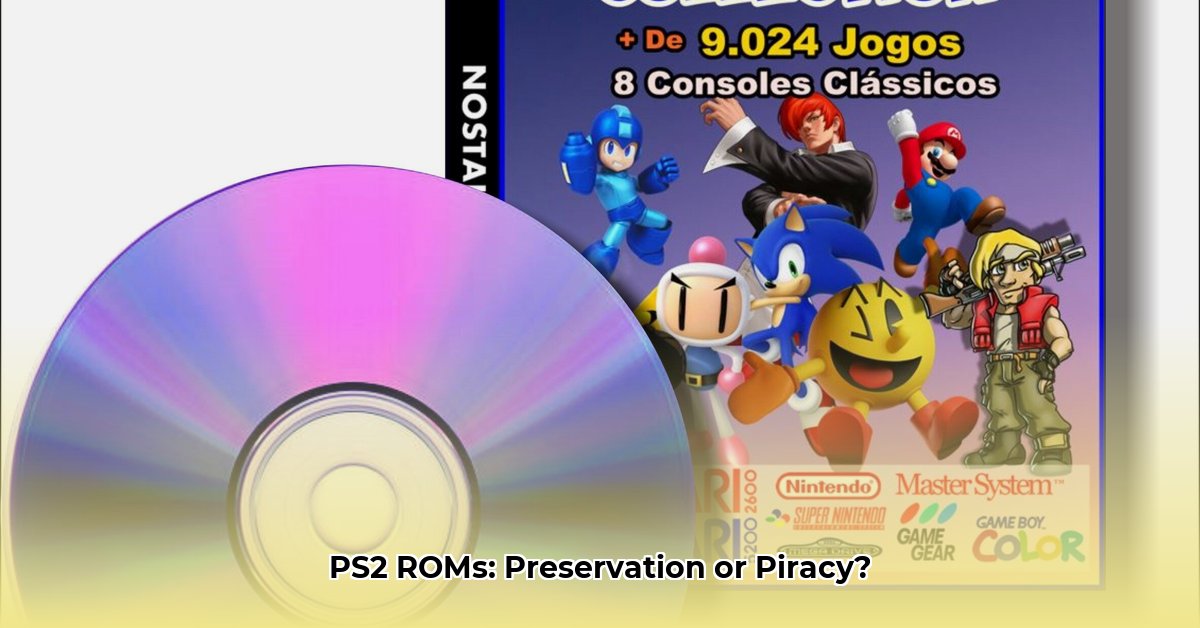
The vibrant world of retro gaming is increasingly intertwined with a complex legal and ethical debate. At the center of this discussion lies Myrient, a significant online repository containing a massive collection of PlayStation 2 (PS2) ROMs—a staggering 260 terabytes of data. This substantial archive raises critical questions about video game preservation, copyright law, and the balance between accessibility and legal compliance. Understanding Myrient's role requires examining the multifaceted challenges facing the video game preservation community.
Myrient's Role in the PS2 ROM Ecosystem
Myrient acts as a central hub for accessing numerous PS2 ROMs (read-only memory files containing game data). Its sheer scale, offering thousands, perhaps millions, of users access to these digital copies of classic games, highlights a key tension: the desire to preserve gaming history versus respecting the intellectual property rights of game developers and publishers. This access provides a valuable service to those seeking to rediscover or experience titles that may be unavailable through conventional retail channels. However, this accessibility also raises significant legal and ethical concerns.
The Copyright Tightrope: Personal Archiving vs. Distribution
The legal landscape surrounding ROMs is nuanced. Creating a personal backup of a game legally owned—a topic of significant legal attention—is often considered fair use in many jurisdictions, similar to backing up a purchased CD. However, distributing these ROMs online, as Myrient facilitates, clearly violates copyright law. The key distinction lies in the act of distribution: sharing copyrighted material without permission constitutes infringement, regardless of platform or scale. Myrient’s vast archive significantly amplifies this infringement risk, making it a potential target for legal action.
Alternative Preservation Paths: A Safer Route
The inherent legal risks associated with ROM distribution underscore the urgent need for legitimate preservation methods. Several alternatives offer safer routes for preserving and accessing classic games:
- Official Re-releases: Publishers are increasingly re-releasing classic games digitally on modern platforms, providing a legally sound way to enjoy these titles. This approach directly addresses the demand for access while respecting copyright.
- Emulation with Legally Owned Games: Using emulators (software that simulates game consoles) is legal. The legality centers on the source of the ROMs used within the emulator. Only using ROMs of games personally owned ensures compliance with copyright law.
- Digital Archives: Organizations like the Internet Archive are dedicated to preserving digital artifacts, and increasingly, video games. These archives often collaborate with copyright holders or obtain necessary permissions to legally preserve and provide access to games.
The Future of Video Game Preservation
The ongoing debate surrounding ROMs and platforms like Myrient underscores the challenges at the intersection of copyright law, technology, and the passionate desire to preserve video game history. The future of preservation depends on finding a balanced approach that respects both developers' rights and gamers' desire for access. This requires collaboration across stakeholders—developers, publishers, archivists, legal professionals, and governing bodies—to forge creative solutions. Potential avenues for compromise include partnerships between publishers and preservation efforts to ensure both legal compliance and continued access to beloved classic games.
Key Takeaways:
- Personal backups of legally owned games might be considered fair use, but online distribution is copyright infringement.
- Legal alternatives, such as official re-releases, emulation with legally obtained ROMs, and digital archives, exist for preserving and accessing classic games.
- The future of video game preservation requires collaborative efforts to balance access and legal compliance.
